


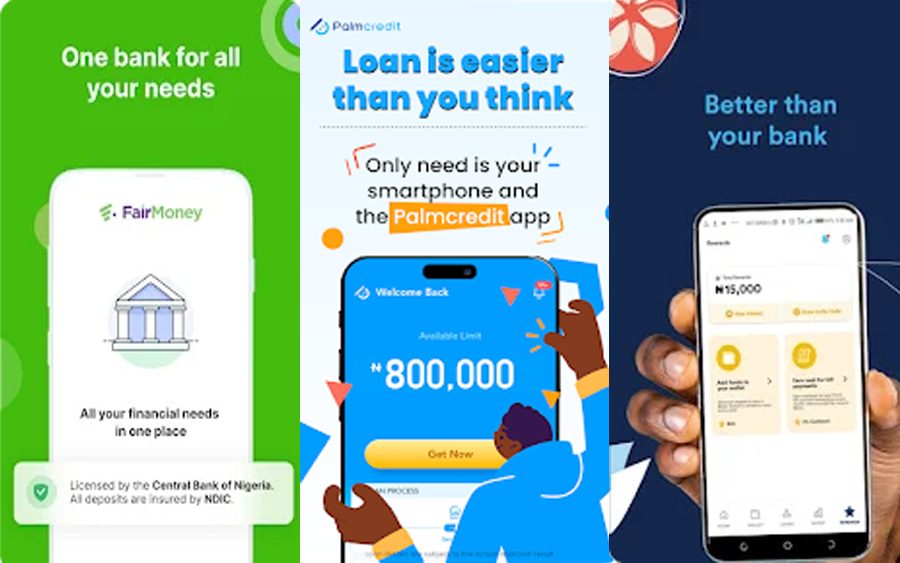
Nigeria’s Best Loan Apps in 2026: Rates, Limits & Red Flags
Best Loan Apps in Nigeria 2026: What They Really Cost
Getting a loan in Nigeria no longer necessarily means visiting a bank, submitting a stack of paperwork and waiting days for a decision.
A smartphone can now put a credit offer in front of a borrower within minutes. But that convenience has created a new problem: choosing the right lender is becoming almost as important as getting the loan itself.
There are hundreds of digital lending operators in the Nigerian market. The Federal Competition and Consumer Protection Commission’s current register lists 525 entries under its approved digital-lending section, alongside separate lists for conditional approvals, CBN-licensed operators, watchlisted apps and delisted apps.
That makes one question harder to answer than it appears: which loan apps are actually worth considering in 2026?
O-Feed’s answer is not based on download counts or the loudest “instant loan” advertisement. We looked at the published borrowing terms, the lender behind the app, regulatory information and how clearly borrowers can understand what they will repay.
Our top loan-app picks for 2026
Loan app
Best for
Published loan range
Published rate/terms
Renmoney
Larger personal loans
₦5,000–₦10m
2.12%–2.65% monthly; 91 days–12 months
Branch
Flexible digital borrowing
₦6,000–₦2m
About 3%–23% monthly, depending on risk
FairMoney
All-round borrowing
Up to ₦3m
Rate varies by borrower; examples reach 30% total loan cost
Carbon
Transparency + digital banking
₦10,000–₦2m
4.5%–30% monthly; max APR 195%
Aella
Regulated digital banking
Up to ₦2m
Terms depend on the borrower
PalmCredit
Smaller, quick loans
Up to ₦100,000
Rates advertised from 8%
Okash
Fast access for eligible users
Varies
Costs can be significantly higher depending on the offer
Published terms are subject to eligibility and can change. Always check the final in-app offer before accepting a loan.
1. Renmoney — Best for larger borrowing
Renmoney stands out for borrowers who need more than a small emergency advance.
Its current app listing advertises loans from ₦5,000 to ₦10 million, with repayment periods of 91 days to 12 months and monthly interest rates of 2.12% to 2.65%. A representative example shows ₦2 million borrowed for 12 months at 2.49% monthly, with total repayment of ₦2,338,275 and a stated APR of 29.88%.
Renmoney also says customers can see the repayment terms before committing and that the service operates under a microfinance-bank licence regulated by the Central Bank of Nigeria.
Why we like it: The combination of higher borrowing limits, relatively low published rates and clear upfront repayment information makes it one of the strongest options for eligible borrowers.
Best fit: Salaried workers and borrowers who need a larger personal loan rather than a tiny emergency advance.
2. Branch — Best for flexible digital borrowing
Branch remains one of the most established names in Nigeria's instant-credit market.
Its current Google Play listing advertises personal loans of ₦6,000 to ₦2 million, with tenures from 62 days to one year. Published rates depend on risk profile, with the listing showing monthly rates from roughly 3% upward, and APR figures ranging from 34% to 271%.
That APR range is important. A borrower should not assume that the lowest advertised monthly rate will be the rate actually offered.
Branch also appears on the FCCPC's current approved digital-lending register under Branch International Financial Limited / Branch Mobile App.
Why we like it: It combines a fully digital application process with a relatively broad borrowing range.
Best fit: Users who want a fast digital lender and are willing to compare the final offer carefully.
3. FairMoney — Best all-round digital finance app
FairMoney is one of the biggest names in Nigeria's consumer-finance market and has expanded well beyond simple lending.
Its current product information says customers can access personal loans of up to ₦3 million, with repayment options ranging from 61 days to 18 months. FairMoney's September 2026 app listing also gives a representative example in which a ₦100,000 loan over three months carries ₦30,000 in total interest, making the total repayment ₦130,000.
FairMoney also operates a microfinance-bank model and identifies itself as CBN-regulated, while the FCCPC register lists Fair Money Microfinance Bank / FairMoney App among approved operators.
Why we like it: It offers a strong combination of lending, payments, banking and savings products.
Watch the numbers: A loan advertised as “quick” can still be expensive. The actual rate and total repayment on your offer matter more than the maximum loan amount.
4. Carbon — Best for borrowers who value transparency
Carbon takes a different approach by positioning lending as part of a broader digital banking platform.
Its current loan page says borrowers can access ₦10,000 to ₦2 million, with repayment periods from 61 days to 12 months and monthly interest rates ranging from 4.5% to 30%. Carbon also publishes a maximum APR of 195% and provides a representative example showing ₦1 million borrowed for 12 months at 4.5% monthly, producing a total payable amount of ₦1.54 million.
Carbon is operated by Carbon Microfinance Bank, which states that it is licensed and regulated by the CBN. The FCCPC's current register also lists Carbon Microfinance Bank Limited / Carbon App.
Why we like it: Carbon makes the total cost of borrowing easier to evaluate before accepting a loan.
Best fit: Borrowers who want lending plus payments, savings and other financial-management tools in one app.
5. Aella — Best for a broader regulated banking experience
Aella has evolved from a digital-credit company into a broader microfinance-banking platform.
Its current website advertises loans of up to ₦2 million and says eligible borrowers can receive approval within minutes. Aella also describes itself as a CBN-licensed microfinance bank with NDIC-insured deposits.
Aella's June 2026 privacy policy is particularly notable because it lays out how credit-related information can be processed, including credit reports, bank transaction history, income and employment information, repayment records and certain device or fraud-risk indicators where legally permissible.
Aella is also listed by the FCCPC under Aella Financial Solutions Limited / Aella App.
Why we like it: It offers credit inside a wider regulated financial ecosystem rather than operating purely as an emergency-loan app.
Best fit: Individuals who want borrowing alongside payments, savings and other banking services.
6. PalmCredit — Best for smaller emergency loans
PalmCredit is aimed more directly at borrowers who need relatively small amounts quickly.
The lender's current website says it offers loans ranging from ₦2,500 to ₦100,000, with repayment terms of 12 to 26 weeks, and advertises rates as low as 8%. It also says borrowing limits can increase with a customer's repayment history.
PalmCredit is associated with Newedge Finance Limited, and the FCCPC currently lists PalmCredit among apps backed by a company identified in its CBN-licensed waiver section.
Why we like it: It is more appropriate for relatively small short-term borrowing than for major financial commitments.
Watch the numbers: “As low as” is not the same as the rate every borrower will receive. Check the exact repayment figure offered to you.
What about Okash?
Okash remains part of Nigeria's digital-lending conversation, but it is harder to recommend purely on cost.
The FCCPC's current register identifies OPay Microfinance Bank Limited and lists EaseMoni and Okash under its CBN-licensed section.
However, independent 2026 comparisons show that Okash can carry substantially higher effective borrowing costs depending on the borrower and loan structure.
That is the larger lesson: approval and availability do not automatically make a loan cheap.
The biggest mistake borrowers make
Many Nigerians compare loan apps by asking one question:
“How much can I get?”
That is the wrong starting point.
The more important question is:
“How much will I repay in total, and when?”
A lender advertising a ₦500,000 limit may be a worse option than one offering ₦200,000 if the first loan carries considerably higher interest, fees or a tighter repayment schedule.
Monthly rates can also be misleading when separated from the full cost of credit. Carbon, for example, publishes both monthly rates and APR information, while Branch publishes a wide APR range that shows how dramatically the effective cost can vary by borrower.
Regulation matters more than a five-star rating
The Nigerian government has tightened oversight of digital lending.
The FCCPC's Digital, Electronic, Online, or Non-Traditional Consumer Lending Regulations 2025, which took effect on July 21, 2025, introduced requirements covering registration, transparency, data privacy, responsible lending, ethical recovery and consumer redress. The Commission has also warned against harassment, privacy violations and other abusive collection practices.
The FCCPC's current public register is therefore one of the first places consumers should check before borrowing. The regulator maintains separate lists covering approved operators, conditional approvals, CBN-licensed entities, watchlisted apps and delisted apps.
A particularly important warning sign is excessive access to personal information. The FCCPC has previously taken the position that access to sensitive data such as contacts, photos, videos, precise location information and call logs can create serious privacy concerns in digital lending.
How to choose the right loan app
For a large personal loan, Renmoney is one of the strongest options to investigate because of its current published limits and comparatively low stated monthly rates.
For fast, flexible digital credit, Branch and FairMoney are more suitable starting points, although borrowers should compare their actual offers rather than relying on headline rates.
For borrowers who care most about seeing the full cost clearly, Carbon deserves attention because it publishes repayment examples and APR information.
For smaller emergency borrowing, PalmCredit may be more appropriate than taking a large facility you do not need.
And for people who prefer a wider financial ecosystem, Aella and FairMoney combine credit with other banking services.
O-Feed Verdict
There is no single “best” loan app for every Nigerian.
The best lender is the one whose actual loan offer matches your repayment capacity, has a clear cost structure, is properly regulated and treats your personal data responsibly.
Our strongest overall picks for 2026 are Renmoney for larger loans, Branch for flexible digital borrowing, FairMoney for an all-round experience, Carbon for transparency, Aella for regulated digital banking, and PalmCredit for smaller emergency needs.
But one rule should override every ranking:
Never accept a loan because the money arrives quickly. Accept it only after you know exactly how much you will repay.
Key Takeaways — Why It Matters
Loan limits are not the same as affordability. Focus on total repayment and APR, not the biggest amount advertised.
Regulation is a minimum requirement. Check the FCCPC register and the relevant CBN-licensed institution before borrowing.
Rates vary by borrower. Published “from” rates are not guarantees of what a first-time customer will receive.
Your repayment behaviour matters. Several lenders explicitly say timely repayment can unlock higher limits or better terms.
SEO Tags / Keywords
#LoanApps #NigeriaFintech #DigitalLending #PersonalFinance #NigeriaLoans #FintechNigeria #CBN #FCCPC
Editorial verification date: October 5, 2026. Loan rates, limits, eligibility and regulatory status can change; readers should confirm the final terms directly inside the lender's official app or website before borrowing.

Comments (0)
Sign in to commentNo comments yet. Be the first!